

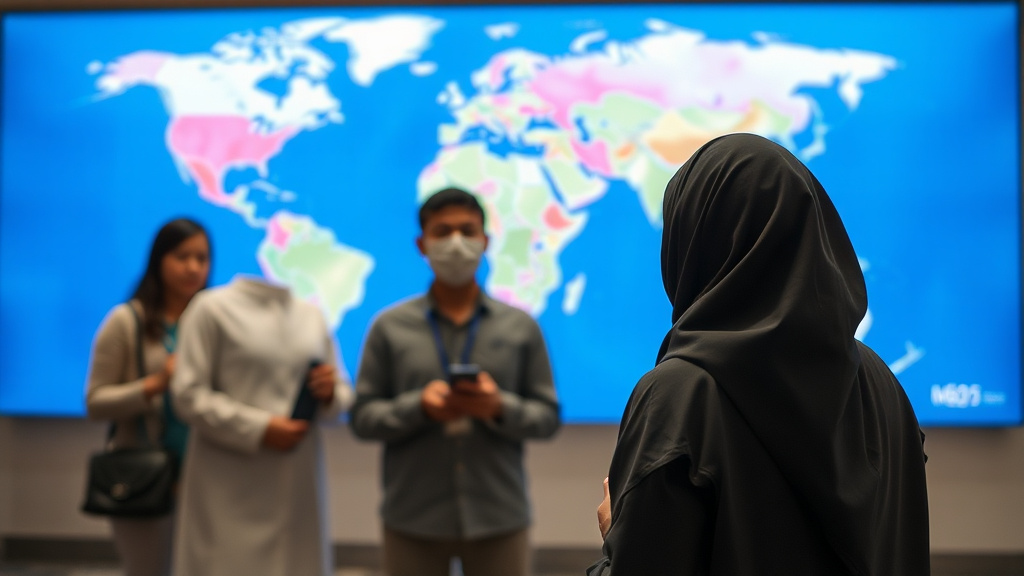
In a landmark move to combat the rising risk of infectious diseases globally, the World Health Initiative has introduced an far-reaching worldwide campaign intended to identify, contain, and manage disease outbreaks before they develop into catastrophic pandemics. This broad-based effort connects nations, healthcare professionals, and research institutions to improve disease surveillance systems, advance vaccination programs, and enhance pandemic preparedness. Discover how this collaborative global effort seeks to save countless lives and reshape our collective defense against infectious disease threats.
International Reaction to Increasing Disease Challenges
The rising frequency and severity of infectious disease occurrences have prompted an unprecedented coordinated response from the international health community. The World Health Initiative’s initiative represents a critical turning point in worldwide health protection, deploying capabilities and knowledge across continents. By creating integrated monitoring systems and fostering collaboration between developed and developing nations, this program addresses the fundamental gaps that have historically allowed diseases to spread unchecked. The comprehensive approach acknowledges that infectious disease threats transcend borders, requiring coordinated approaches and collective accountability among all stakeholders in the global health ecosystem.
At the heart of this response is the dedication to strengthening health systems in vulnerable regions where disease outbreaks often originate and spread most rapidly. The campaign focuses on developing frontline health personnel, upgrading diagnostic capabilities, and creating alert mechanisms that can detect emerging threats in the moment they occur. By investing in prevention strategies and rapid response protocols, the World Health Initiative seeks to transform how nations prepare for and manage pandemic emergencies. This forward-thinking approach changes the focus from reactive crisis management to strategic disease prevention, ultimately saving lives and reducing the economic burden of pandemic-related disruptions on populations worldwide.
Strategic Initiatives and Preventive Approaches
The World Health Initiative’s program employs a multifaceted approach blending state-of-the-art tools, international collaboration, and research-backed methods. By combining current data insights with traditional epidemiological methods, the initiative reinforces outbreak monitoring systems worldwide. Support for health system infrastructure, workforce training, and community health awareness creates the core of this disease prevention plan, ensuring people around the world gain protection from emerging infectious threats.
Early Detection Mechanisms
Early identification serves as the cornerstone of successful disease outbreak response. The World Health Initiative has emphasized creating integrated monitoring systems that track illness trends in real-time across member countries. These sophisticated systems utilize AI and machine learning technology to identify irregularities and emerging threats before they escalate. By facilitating rapid information sharing between health authorities, detection networks facilitate rapid response and control strategies that reduce large-scale spread.
Sophisticated diagnostic capabilities and testing systems form critical elements of the early detection framework. The program facilitates the development of mobile diagnostic devices and point-of-care diagnostics that bring diagnostic capabilities to remote and underserved areas. Educational initiatives guarantee medical professionals can properly operate these instruments, while quality assurance protocols preserve diagnostic accuracy. This distributed model enables faster identification of cases and variants, vital for executing timely public health interventions.
- Continuous disease surveillance networks tracking global health threats
- Artificial intelligence systems identifying irregular disease spread in advance
- Mobile testing laboratories serving remote communities efficiently
- Quick data exchange protocols linking global health organizations
- Quality assurance programs guaranteeing diagnostic accuracy and dependability
International Collaboration and Resources
The effectiveness of the World Health Initiative’s campaign depends on remarkable cross-border cooperation and pooled funding among member countries. Countries are allocating significant funding, medical expertise, and technological infrastructure to create integrated disease surveillance networks. By leveraging collective assets, nations can mobilize quick-action groups, exchange vital outbreak information, and synchronize immunization programs across borders. This cooperative structure ensures that infectious threats are detected and managed quickly, regardless of geographic location, creating a coordinated worldwide protection network against communicable diseases.
Funding pledges from industrialized and emerging nations underscore the campaign’s worldwide importance in international health protection. The program mobilizes advanced diagnostic technologies, testing laboratories, and trained personnel to strengthen healthcare systems globally. International partnerships promote expertise transfer, allowing countries to benefit from effective containment strategies and adopt best practices. Through coordinated resource allocation and technical support, the World Health Initiative strengthens every nation to reinforce its disease prevention infrastructure and participate actively in defending global populations from new infectious disease threats.
Future Direction and Projected Consequences
The World Health Initiative’s initiative is expected to significantly enhance global disease surveillance capabilities over the subsequent five-year period. By introducing cutting-edge detection systems and strengthening testing networks across developing nations, health authorities expect to identify emerging threats within days instead of weeks. This faster response timeframe could avert numerous infections and save millions of lives. The initiative’s investment in educating health professionals and setting up regional coordination hubs promises to develop a more robust worldwide health systems equipped to manage future pandemics with improved coordination and effectiveness.
Looking ahead, the campaign’s continued success requires sustained international cooperation and adequate funding commitments from participating countries. Experts predict that standardized protocols and shared data platforms will enable quicker data sharing between countries, fostering a truly collaborative approach to disease management. As immunization initiatives grow and detection systems advance, the initiative aims to lower death rates from infectious disease by at least thirty percent within a decade. This revolutionary undertaking constitutes humanity’s most ambitious endeavor to create a collective protection against infectious disease threats.
