

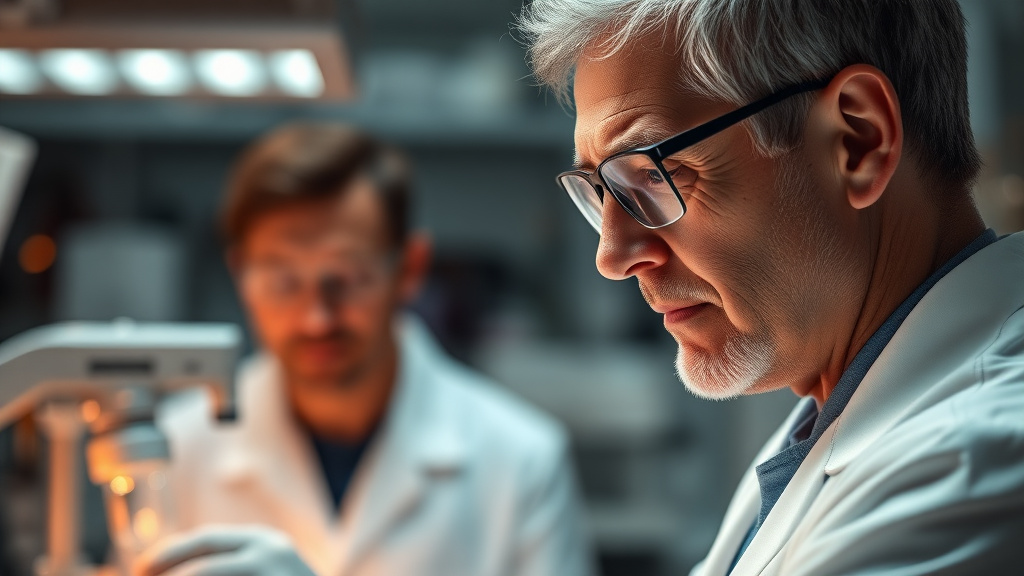
In a revolutionary discovery that could transform medicine and prolong human lifespan, scientists have revealed a promising new method to reverse aging at the cellular level. Researchers have discovered a technique able to rejuvenating older human cell tissue, potentially revealing the secrets to prolonging youth and addressing age-related diseases. This article examines the novel breakthrough, analyzing how scientists attained this remarkable feat, the mechanisms underlying the process, and what this advancement means for the future of anti-aging medicine and human longevity.
Major Advance in Cellular Restoration
Scientists have effectively shown a revolutionary technique that slows cellular aging in human cells, representing a major breakthrough in cellular regeneration. This groundbreaking discovery involves rejuvenating aging cells to regain youthful function and performance. The research team leveraged sophisticated genetic techniques to identify and manipulate key cellular processes underlying aging. Their results indicate that aging may be reversible, unlocking potential for managing degenerative disorders and prolonging healthy lifespan.
The implications of this advancement extend far beyond controlled laboratory settings, as the approach shows promise for practical clinical applications. Researchers noted that cells that received treatment showed renewed mitochondrial performance, enhanced DNA repair mechanisms, and improved cellular energy production. These restored cells demonstrated markers typically associated with tissue that is younger and healthier. The success of this approach offers strong evidence that aging processes are capable of therapeutic intervention, potentially revolutionizing how medical professionals manage conditions related to aging and offering new hope for patients suffering from age-related diseases.
How the Latest Technique Works
The innovative technique focuses on reprogramming cellular DNA through targeted genetic manipulation and molecular signaling. Scientists utilize engineered protein molecules called Yamanaka factors to reset the aging clock within cells, fundamentally restoring them to a more youthful state. This process involves carefully controlling gene expression patterns that build up deterioration over decades. By awakening inactive repair mechanisms, researchers can successfully undo the cell-level deterioration linked to aging while sustaining the cell’s inherent function and characteristics.
The technique uses advanced CRISPR gene-editing technology combined with epigenetic modifications to achieve significant outcomes. Researchers discovered particular molecular indicators that distinguish youthful cells from older cells, then designed a framework to reverse the markers without causing cellular damage. The technique works by regulating histone modifications and methylation patterns, the chemical tags that regulate which genes are turned on or off. This careful methodology shows that aging is not permanent, providing unprecedented potential for regenerative medicine applications.
Implications and Emerging Applications
The implications of this cell renewal breakthrough transcend basic research, delivering transformative applications in regenerative medicine and therapeutic treatments. If properly adapted for clinical practice, this method could fundamentally change how physicians approach age-related diseases such as Alzheimer’s, Parkinson’s, and cardiovascular conditions. The potential to slow down cellular aging opens remarkable prospects for establishing preventive interventions that tackle fundamental causes of aging rather than merely managing symptoms, substantially transforming our approach to healthcare and disease prevention strategies.
Future uses of this technology cover diverse medical fields, from aesthetic skin treatment to organ transplantation and regenerative medicine. Researchers anticipate employing this cellular reversal technique to repair compromised tissues, restore organ function, and potentially increase human longevity. The method could allow the development of personalized anti-aging therapies adapted for individual genetic profiles, maximizing efficacy while minimizing side effects. Additionally, this breakthrough may enable the creation of fresher, healthier transplant tissues for transplantation, significantly improving transplant success rates and clinical results worldwide.
While substantial clinical trials and regulatory approvals remain essential before large-scale rollout, the research community remains confident about this technology’s promise. Ongoing research funding and cross-disciplinary teamwork will accelerate the shift from laboratory discoveries to real-world medical uses. As scientists refine these techniques and tackle outstanding obstacles, society must simultaneously engage in ethical deliberations regarding fair access and responsible use. This discovery constitutes a critical juncture in medical advancement, poised to transform longevity medicine and fundamentally transform human health outcomes for generations to come.
